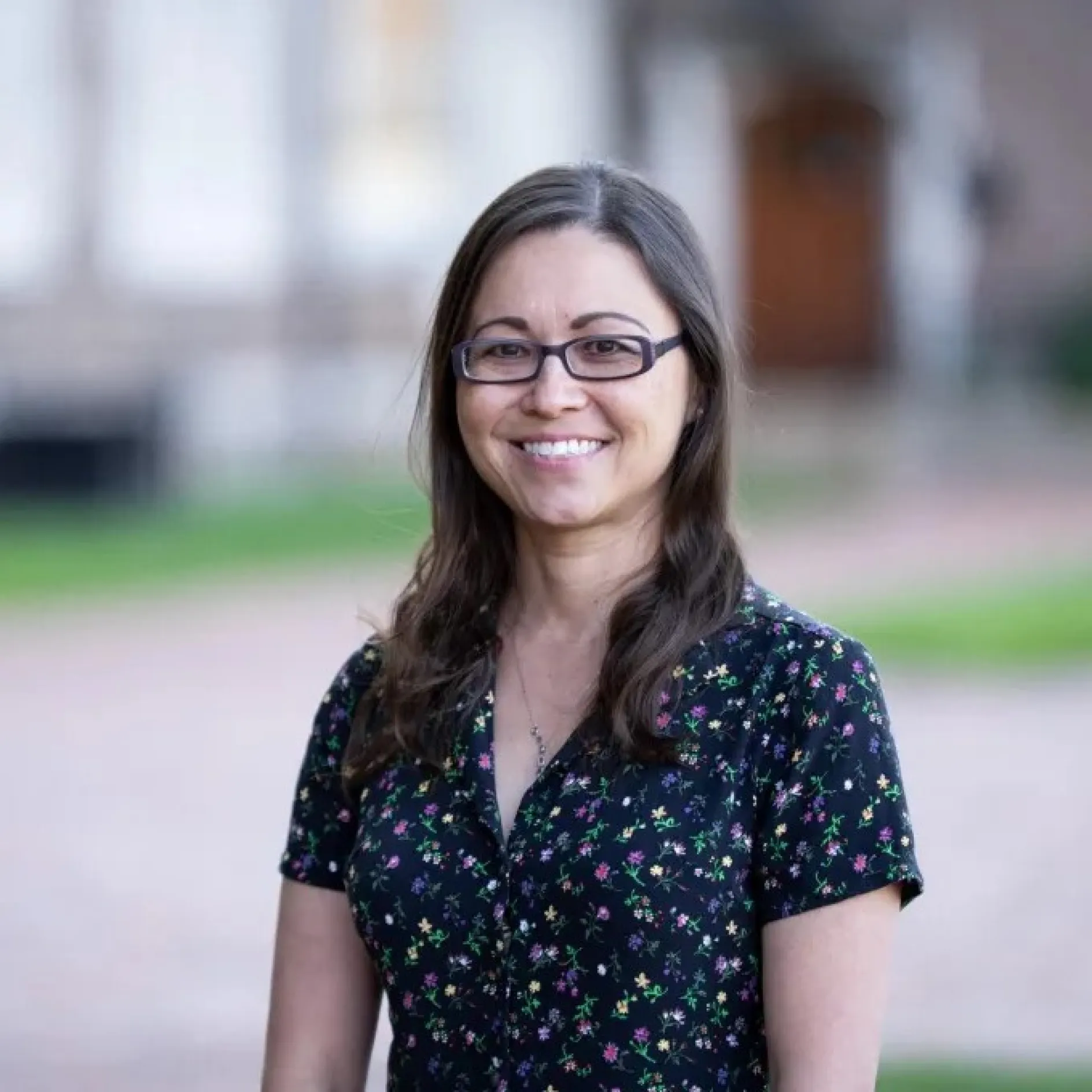
Rose Sommerhauser

Rose Sommerhauser

Rose Sommerhauser

Lecturer in Public Health & Society
PhD, Southern Illinois University - Carbondale
research interests:
  • Behavioral ecology of Neotropical primates
  • primate community ecology
  • human-wildlife interfaces
  • One Health
  • conservation biology
  • human and nonhuman
  • primate dietary adaptations
  • biocultural approaches to understanding the complex nature of human behavior
View All People

contact info:

Dr. Sommerhauser is a biological anthropologist with a specialization in primatology.  Her research focuses on understanding the diversity and distribution patterns of primate communities inhabiting varying environments to better understand the evolutionary and ecological processes that shape community structure and to aid in conservation strategies.  She has conducted fieldwork in Peru, Ecuador, Costa Rica, Suriname, and the U.S. (Florida).
Courses

Evolution of the Human Diet

Many researchers and health enthusiasts believe that the abandonment of our Paleolithic diet and lifestyle with the onset of agriculture some 10,000 years ago has lead to a rapid decline in health and perpetuated countless diseases of civilization. While diet fads come and go, it seems this new enthusiasm for Paleo diets is here to stay. But what is a Paleo diet anyway? Through a comparative evolutionary and anthropological approach we will examine the diets of extinct hominins, our extant primate relatives, ethnohistoric and contemporary foraging peoples, and even our own dietary habits. We will strive to answer key questions about diets in prehistory and their implications for living people today: How do we know what our ancestors ate? How have dietary hypotheses been used to explain processes in human evolution? How bad is agriculture for global health? What role did certain foods play in shaping our modern physiology? Are we maladapted to our contemporary diets? What does it mean to eat Paleo? A mix of discussion and lecture will encourage students to develop their own interests in human evolutionary nutrition.

Becoming Human: A Biocultural Exploration of the Human Experience

Humanity evolved a range of behavioral adaptations as hunter-gatherers—such as social cooperation, tool use, gender roles, and kinship structures—that shaped survival in diverse ecological and cultural contexts. This course explores these adaptations through a biocultural and evolutionary lens, emphasizing their relevance to contemporary public health. Students will examine how ancient patterns of human behavior intersect with modern health challenges, using frameworks like the social determinants of health to understand issues such as inequality, stress, community resilience, and health-related behaviors across cultures.

Topics in Public Health & Society (Epidemics, Pandemics, and Society)

This course explores how social systems, human behavior, and ecological changes contribute to the emergence, spread, and impact of infectious diseases. The course integrates historical case studies, a One Health perspective, and policy analysis. It highlights how human-driven factors such as land-use changes, globalization, and inequality reshape pathogen ecologies and create favorable conditions for disease transmission. The course emphasizes equity and community engagement, asking who bears risk, whose knowledge informs prevention, and how interventions can be designed to address social and structural determinants of health.

Topics in Public Health & Society (Race: Science, Power, and Health)

This course examines race as a social and political construct –not a biologically valid category –and traces how racialized power shapes population health. The course dismantles biological myths about human difference, explores human biological variation in ecological and evolutionary context, and centers on how structural racism, environmental exposures, and social determinants produce persistent racial health disparities and inequalities. Through epidemiologic evidence, historical case studies, and policy analysis, students develop public health approaches to redress disparities and promote health equity.